
B2B2C Systems for Home Services and Field Operations
Lead capture from the web, phone calls, text and agents | Estimating, quoting, scheduling and dispatch | Customer communications, feedback and reporting | Connections to customer LLMs and Agents.
How it works
Three steps from first contact to a job on the schedule.
Contact
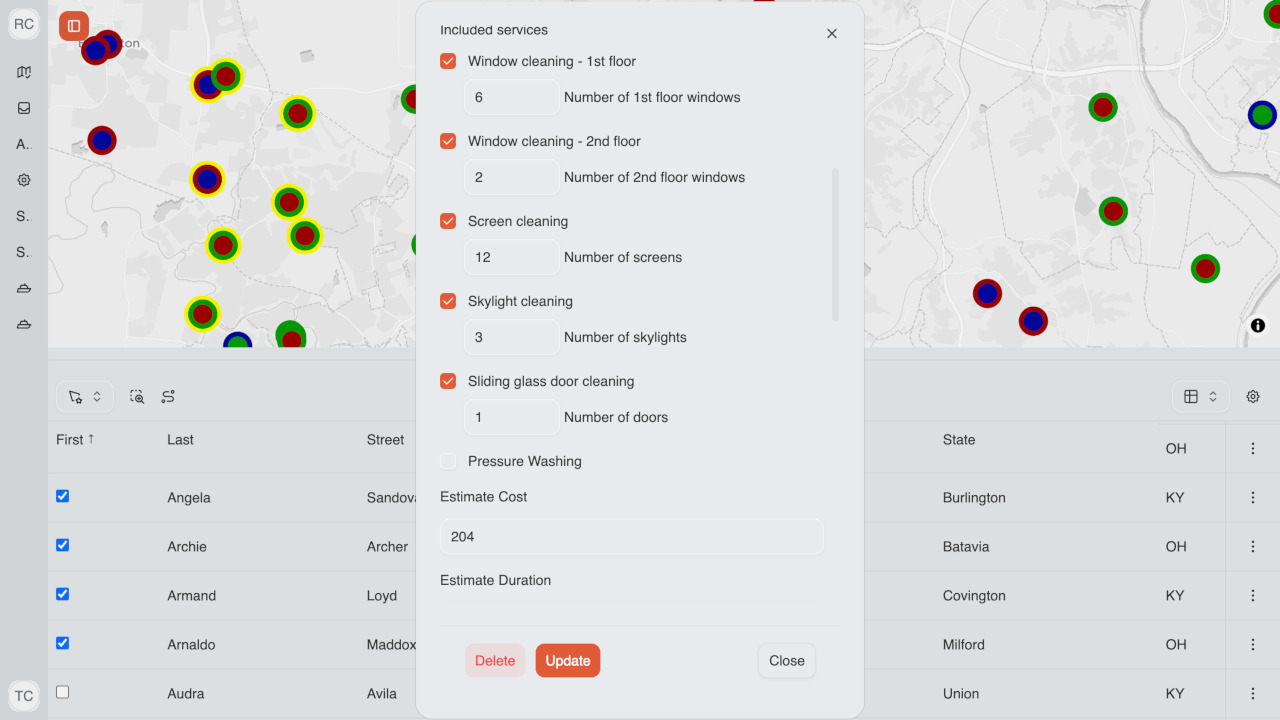
Gather customer information by web form, chat, phone call, or an MCP AI agent. very channel feeds the same job record.
Smart quoting
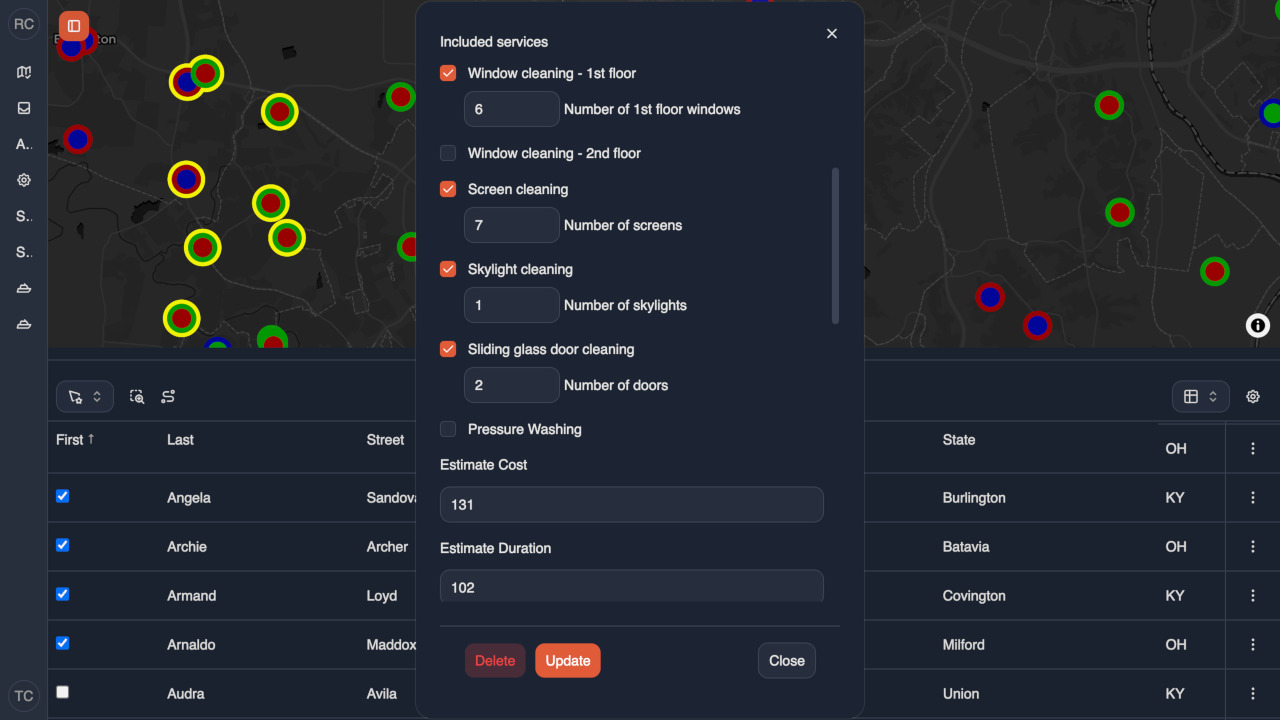
Gather joib details and quote instantly or hand off for review using your pricing rules.
Dispatch view
A schedule that accounts for drive time, crew availability, and job duration, with an office view to adjust, track, and notify in real time.
Customization
Use natural language to define and customize features within the system.
Define custom feature
Use natural language and common industry terms to define the required data view in the prompt.
In-app translation
The system translates the natural language prompt by composing the appropriate tool calls and retriving the required data.
Dispatch view
Then data and augmented functionality is immediately available for review and use.
Operations
Operate any way you want using traditional web UI and assistants.
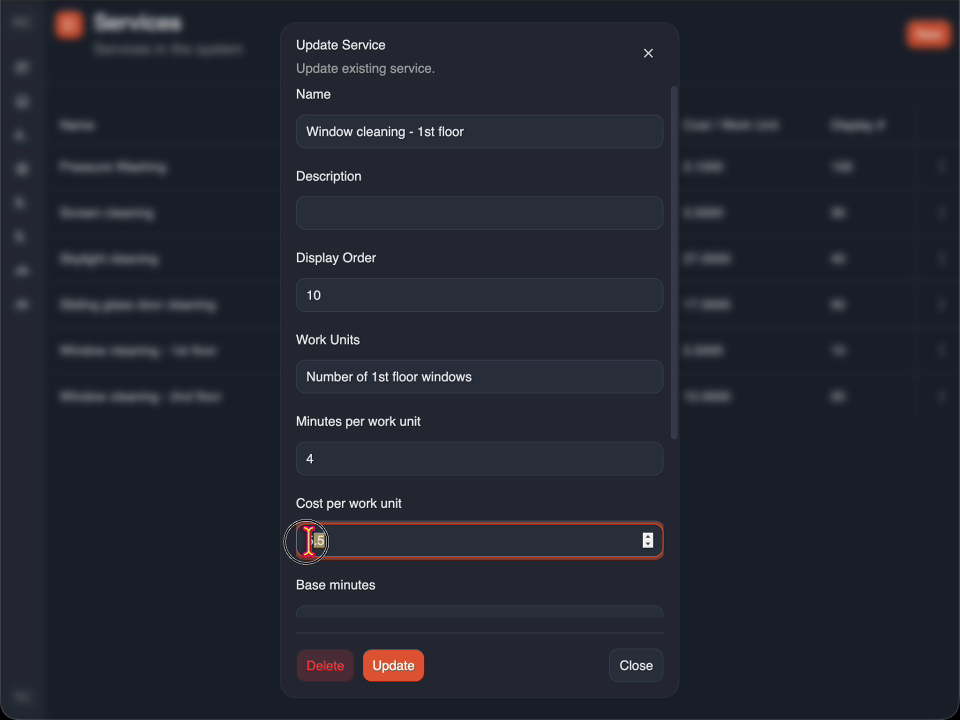
Use Web UI
Traditional Web UI allows access to all configuration and operation features.
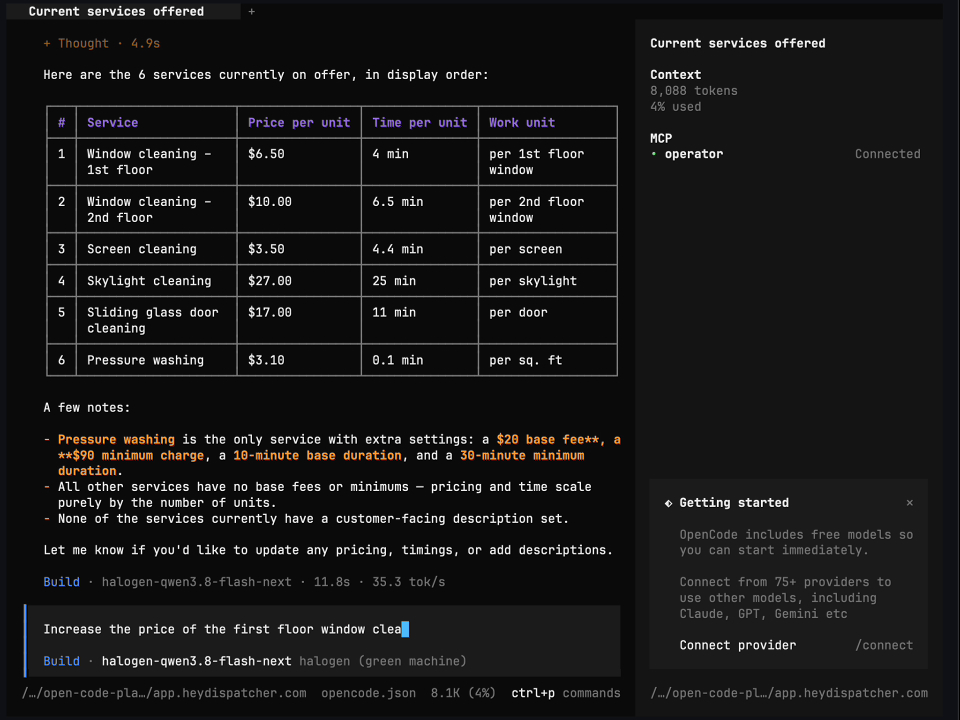
Or your favorite assistant
Connections to assistants through MCP server allows reconfiguration and daily operations from.
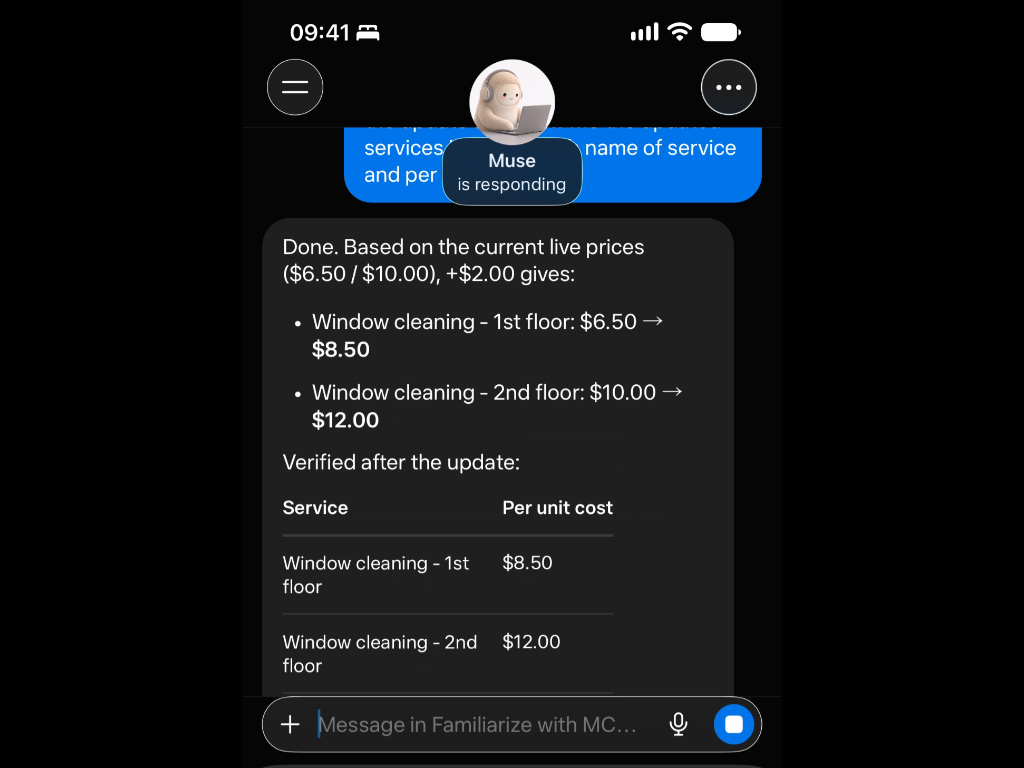
Or your other favorite assistant
Both external assistants and in-app chat are supported.
About
What's behind the name?
Cincinatti
The name Losantiville was the original name of Cincinnati, created in 1788 by the settlement's surveyor, John Filson. It is a clever, multilingual portmanteau (a blend of words) that serves as a literal description of the city's location. Here is how the name was formed:
Losidem Labs
Here is how our company name, Losidem, breaks down using the exact same linguistic logic as the original settlement:
Early Access
Submit the contact form to get into our early access list.